
Bajaj Finserv was the top loser in the Sensex pack, shedding around 2 per cent, followed by HDFC, M&M, Bharti Airtel, UltraTech Cement and Kotak Bank. NSE Nifty fell 77.95 points to 15,030.15.

Omkeshwar Singh, Head, Rank MF, a mutual fund investment platform, answers your queries.
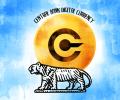
India's first digital rupee pilot project will commence on Tuesday with nine banks, including SBI, HDFC Bank and ICICI Bank, issuing the virtual currency for transactions in government securities. "...the first pilot in the digital rupee - Wholesale segment shall commence on November 1, 2022," the RBI said in a statement on 'Operationalisation of Central Bank Digital Currency-Wholesale (e?-W) Pilot'. It also announced that the first pilot in digital rupee - Retail segment is planned for launch within a month in select locations in closed user groups comprising customers and merchants.

Among the Sensex firms, Kotak Mahindra Bank, Tata Steel, ITC, ICICI Bank, Bajaj Finserv, Maruti, Mahindra & Mahindra and State Bank of India were the biggest winners. Tata Consultancy Services, Infosys, HCL Technologies, Tech Mahindra, Asian Paints, Wipro and Tata Motors were the biggest laggards.

After selling dollars for the past few months, the Reserve Bank of India (RBI) may take a hands-off approach before its annual account closing by not trying to prop up the rupee as geopolitical tensions show signs of stabilising with global crude oil prices easing from its $140 peak. The central bank was a net buyer of dollars between April and September, and then turned a net seller in the following months, the data released by the RBI showed. The RBI continued to be a net buyer of $36.6 billion in this fiscal year - between April and January. In 2020-21, it purchased $68 billion on a net basis.

Nikunj Saraf, Vice President Choice Wealth, answers your queries.

Rising crude oil prices and muted passenger traffic in the July-September quarter (second quarter, or Q2) of 2023-24 (FY24) have raised concerns about the profitability of listed aviation players. These two concerns have caused the stock of InterGlobe Aviation (IndiGo), the largest player in the sector, to slip by 11 per cent since its highs at the end of July. Nuvama Research expects yields to cool down in the near term due to seasonality, rising crude oil prices, and higher capacity.

Poor earnings show in the September quarter (Q2FY24), with hints of likely weakness in asset quality going ahead, forced analysts to cut earnings estimates of SBI Cards and Payment Services (SBI Card). On the bourses, shares of the State bank of India arm tumbled 7.4 per cent to Rs 732 apiece on the BSE in the intraday trade as investors factord in near-term concerns. Analysts at Motilal Oswal Financial Services, for instance, slashed SBI Card earnings by 8 per cent and 10 per cent for FY24 and FY25, respectively, as they expect the company to face pesistent magin pressure.

Kotak Bank was the top gainer in the Sensex pack, rising over 5 per cent, followed by Bharti Airtel, HDFC Bank, Maruti, Axis Bank and Nestle India.

According to Rahul Rege, business head (retail) at Emkay Global Financial Services, it is difficult to track more than 10 stocks.

Omkeshwar Singh, Head, Rank MF, a mutual fund investment platform, answers your queries.

HCL Tech was the top gainer in the Sensex pack, rising over 4 per cent, followed by HDFC Bank, Infosys, NTPC, Nestle India, TCS and HUL. NSE Nifty surged 337.80 points to 14,845.10.

Kotak Bank was the top gainer in the Sensex pack, rising around 3 per cent, followed by HDFC twins, ICICI Bank, Tech Mahindra, Bajaj Finance, Asian Paints and TCS. NSE Nifty surged 142.20 points to 15,098.40.

rediffGURU Sunil Lala answers your MF-related queries.
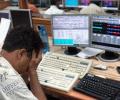
ITC was the top loser in the Sensex pack, tumbling over 5 per cent, followed by ICICI Bank, Kotak Bank, Axis Bank, SBI and HDFC Bank. NSE Nifty sinks 354 points to 17,857.25.

Reliance Industries may report a muted performance for the April-June quarter of FY24, with most brokerages expecting it to have witnessed a year-on-year (YoY) and quarter-on-quarter (QoQ) contraction in revenue and net profit during the period because of a poor showing by its oil-to-chemicals (O2C) division. The O2C division, which includes refining and petrochemical businesses, accounts for a little over half of RIL's revenue and profit. A muted showing by RIL in the first quarter of 2023-24 may weigh on the overall corporate earnings, as well as the equity markets.

Omkeshwar Singh, Head, Rank MF, a mutual fund investment platform, answers your queries.

ICICI Bank was the top gainer in the Sensex pack, surging over 3 per cent, followed by HDFC, Bajaj Auto, HDFC Bank, SBI, Kotak Bank and Bajaj Finance. NSE Nifty jumped 109.75 points to 14,406.15.

At the current market price of the stock, that stake would be valued at about $1.5 billion.

Hospitals to recover from sluggish Q3; diagnostics' growth rate at pre-Covid levels.

A relatively muted tax filing growth will create further headwinds in an already stressed fiscal space, the report said, adding the commitment of cash transfers in the budget can take the fiscal math on a "slippery slope" unless there is expenditure rationalisation.

Waves of foreign portfolio investments worth over Rs 51,000 crore splashed into the Indian market in 2021 as overseas investors turned net buyers of domestic securities for the third straight year while excess global liquidity and other factors steered the ebb and flow of their investing ways. With the global financial system still flush with liquidity, emerging market assets, especially equities, might well remain the preferred investment avenue for many more months to come, experts opined. As the equities sizzled during most of 2021, that also saw economy slowly coming back into the recovery path, Foreign Portfolio Investors (FPIs) turned net buyers but their investment is much less compared to net inflows of Rs 1.03 lakh crore in 2020.
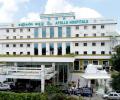
The June quarter numbers of the country's largest listed healthcare services provider, Apollo Hospitals Enterprise (Apollo), were in line with Street estimates on the operational front. Net profit estimates, however, missed expectations due to higher interest and tax outgo. The revenue performance of the core hospital segment was robust, registering a 13 per cent increase over the year-ago quarter.

Yes Bank was the top gainer in the Sensex pack, rallying up to 8.44 per cent, followed by Maruti, PowerGrid, NTPC, L&T and SBI.

Reliance Industries was the top gainer in the Sensex pack, soaring nearly 6 per cent, followed by M&M, HDFC twins, Kotak Bank, ITC and Bharti Airtel.
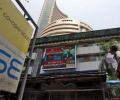
Equity benchmark indices Sensex and Nifty buckled under selling pressure after a nine-session rally on Monday, as massive sell-off in IT, tech and telecom counters unnerved investors.

HDFC was the top loser in the Sensex pack, shedding nearly 2 per cent, followed by Kotak Bank, Asian Paints, UltraTech Cement, HDFC Bank, HUL and Tech Mahindra.

Tech Mahindra, the top loser in the Sensex pack, shed over 2.5 per cent. It was followed by UltraTech Cement, Reliance Industries, HCL Tech, HDFC, Kotak Bank, HDFC Bank and TCS. NSE Nifty plunged 179.35 points to 17,745.90.

At the BSE, 1,552 stocks advanced, while 1,419 declined and 118 remained unchanged.

Benchmark indices bounced back on Wednesday after a two-day decline, with the Sensex and Nifty climbing nearly 1 per cent each, tracking a positive trend in European markets. Buying in IT and bank stocks also supported the recovery in equities. The 30-share BSE benchmark jumped 547.83 points or 0.99 per cent to settle at 55,816.32.

Big Mumbai developers' inventory at Rs 53.4 crore.

Do you have financial planning queries? Ask rediffGURU Abhishek Dev.
.jpg)
Rupee ends flat after hitting 9-1/2 month low.
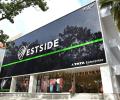
Riding on strong June-quarter numbers and positive brokerage outlook, the stock of retail major Trent hit a fresh all-time high on Monday (August 14). The stock has gained 14 per cent in five trading sessions. Continuing the trend of strong revenue growth over the last few quarters, the company posted 53.5 per cent year-on-year (Y-o-Y) growth in top line to Rs 2,536 crore in the June quarter (first quarter of financial year 2023-24 or Q1FY24).
SBI was the top loser in the Sensex pack, shedding over 1 per cent, followed by HDFC duo, Kotak Bank, PowerGrid and ICICI Bank.

The "asset-right" strategy, reiterated by ITC chairman Sanjiv Puri during the company's 112th annual general meeting (AGM) on August 11, received a thumbs up from the analysts. They, however, believe that sustained earnings growth and synergies with the demerged hotel's vertical will help the stock break out from the ongoing consolidation. "The stock is expected to consolidate between Rs 420 and Rs 450 in the near future.

ICICI Bank was the top loser in the Sensex pack, shedding nearly 2 per cent, followed by UltraTech Cement, Asian Paints, ITC, Kotak Bank, Axis Bank and PowerGrid.

ITC was the top laggard in the Sensex pack, tanking over 6 per cent, followed by HUL, Titan, Tata Steel, UltraTech Cement and PowerGrid. On the other hand, Tech Mahindra, L&T, Infosys, Bajaj Finserv, Kotak Bank and HDFC Bank were among the gainers.

Investor wealth on Wednesday diminished by Rs 1.84 lakh crore amid massive sell-off in the equity market.
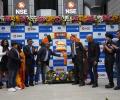
The decline of over 5 per cent in PB Fintech's shares (the parent company of PolicyBazaar) in the past two days presents an opportunity for long-term investors to consider buying the stock, suggest analysts. By comparison, the benchmark S&P BSE Sensex has remained flat during the same period with a negligible gain of 40 points, or 0.06 per cent. Analysts believe that the recent selling is "overdone", as the company behind the online insurance portal remains committed to achieving profitability, and the potential threat from the government's online insurance portal, Bima Sugam, might be embellished.
